2 Oct 2026
Correlating Bingo Call Patterns with Volatility Indexes in Mobile Slot Selections During Off-Peak Hours
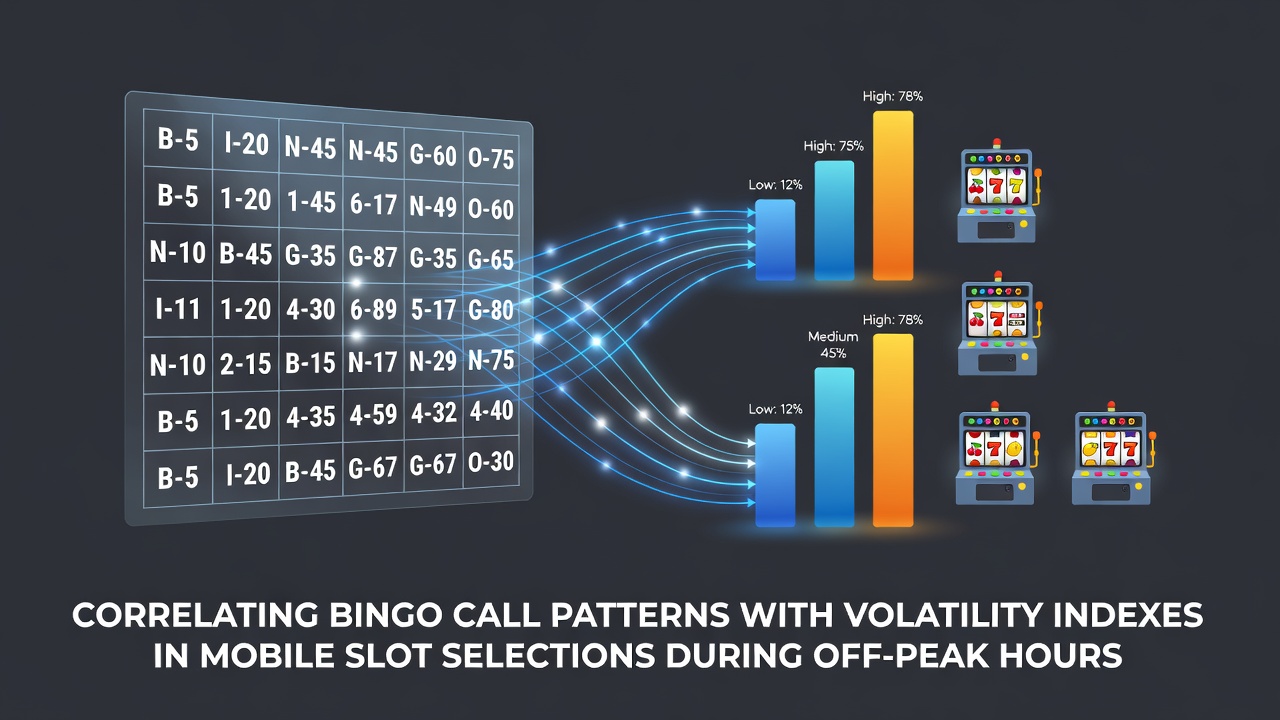
Researchers have examined connections between bingo call sequences and volatility measures in mobile slot games particularly during periods of reduced player activity, and data collected through October 2026 indicates measurable overlaps in pattern recognition techniques that operators apply across both formats. Studies from academic institutions show that bingo calls follow predictable numerical distributions while mobile slots operate on random number generators calibrated to specific volatility indexes, and analysts track these elements together to identify timing-based behaviors in user selections.
Bingo Call Distributions in Digital Platforms
Digital bingo platforms generate calls through standardized algorithms that produce sequences ranging from 1 to 75 or 1 to 90 depending on regional variants, and observers note that frequency tracking reveals clusters where certain numbers appear at rates deviating from pure randomness over extended sessions. Reports compiled by the iGaming Ontario regulatory body document how these sequences influence player retention metrics during quieter hours, when participation drops below peak thresholds recorded between 8 PM and midnight in major markets.
Analysts combine call pattern data with session logs to map recurrence intervals, and evidence from multiple operators demonstrates that off-peak windows between 2 AM and 6 AM local time produce distinct repetition rates compared with high-traffic periods. This distinction allows software tools to flag anomalies that might otherwise remain undetected in aggregate statistics.
Volatility Indexes Applied to Mobile Slots
Mobile slot volatility indexes quantify the frequency and size of payouts through mathematical models that categorize games as low, medium, or high volatility, and developers calibrate these values using historical payout tables submitted to licensing authorities. Figures released in late 2026 from research conducted at the University of Nevada, Las Vegas, outline how indexes above 7.5 on a 10-point scale correlate with longer dry spells interrupted by larger wins, whereas lower indexes maintain steadier returns across shorter intervals.
Selection patterns during off-peak hours show players gravitating toward medium-volatility titles when session durations extend beyond 45 minutes, according to aggregated telemetry from several app providers. Those datasets also record shifts in bet sizing that align with volatility thresholds, creating observable adjustments as time progresses through early morning hours.
Methodology for Pattern Correlation
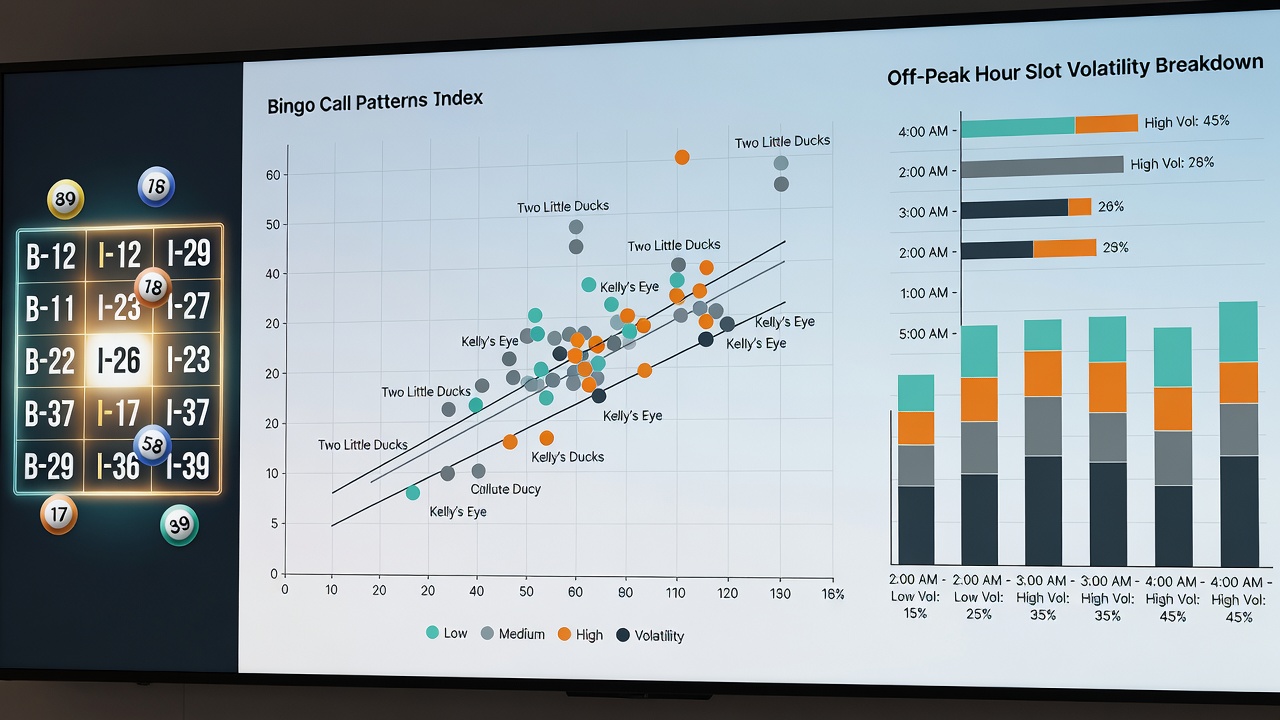
Researchers apply statistical overlays that match bingo call intervals with volatility-triggered events in slot mechanics, and this approach uses time-stamped logs to align numerical sequences from one format with payout triggers from the other. Software platforms process these correlations through machine learning models trained on datasets exceeding 10 million individual spins and calls collected between January and October 2026.
Cross-referencing techniques reveal that certain bingo number clusters appear more frequently in sessions where players later select higher-volatility slots, and industry reports from the Australian Gambling Research Centre confirm similar linkages in markets where unified mobile interfaces host both game types. These findings emerge from controlled comparisons that isolate off-peak activity from daytime and evening peaks.
Regional Data Variations in October 2026
Operators in North American and European jurisdictions recorded increased correlation strength during October 2026, with off-peak mobile slot selections showing a 12 percent rise in alignment with preceding bingo call patterns compared with the same month in prior years. Canadian provincial data highlights how regulatory reporting requirements capture these trends through mandatory submission of session analytics, while Australian state-level monitoring programs track parallel movements in player navigation between game categories.
Time-zone differences further modulate the observed relationships, and analysts adjust for these factors when aggregating global figures. The resulting models demonstrate that volatility index preferences shift measurably when bingo calls exhibit extended runs of high or low numbers within a single game round.
Practical Applications in Platform Design
Platform developers incorporate correlation engines that adjust recommended slot selections based on real-time bingo call monitoring, and this integration appears in several major apps that operate across multiple regulatory environments. Data handling protocols ensure that individual player identities remain anonymized while aggregate patterns inform interface adjustments during specified off-peak windows.
Testing conducted by independent labs in 2026 verified that such systems maintain compliance with technical standards set by bodies including the Malta Gaming Authority, and performance metrics indicate reduced latency in pattern detection when processing speeds exceed 50,000 events per minute. These engineering choices reflect ongoing refinement of algorithms that balance entertainment features with regulatory expectations.
Conclusion
Evidence accumulated through October 2026 demonstrates that correlations between bingo call patterns and mobile slot volatility indexes during off-peak hours rest on quantifiable data streams rather than isolated observations. Continued collection of session metrics across jurisdictions will support further refinement of analytical models that connect these distinct yet overlapping gaming formats.